
I am angry—there is an anger that sits beneath this piece. When did African arts and entertainment award shows decide that they no longer matter?
The Grammys took place on the first Sunday of February, and before the night had even ended, culture had already rearranged itself around the event. Vogue published best-dressed lists. Billboard ranked the night’s defining moments. Rolling Stone critiqued the performances with the seriousness of art criticism. Social media followed suit. The Grammys were not merely an awards ceremony; they were a cultural moment, a global appointment, a ritual that announced the start of the year.
Did the Grammys send out emails begging these institutions to care? No. The Grammys decided long ago that they mattered. Everything else followed.
Contrast this with the South African Music Awards. The SAMAs took place toward the end of last year, and most people did not know. No widespread anticipation. No post-event cultural conversation. No covers, no rankings, no essays, no urgency. I personally only became aware that the event had happened after Zakes Bantwini penned an open letter calling out the institution for neglect. The awards existed, yes, but mutely almost apologetically, as if hoping not to inconvenience the public.
This is not an isolated case. Across the continent, major award shows take place in Nigeria, South Africa, Kenya, Ghana, and beyond, yet there is little sense that anyone is invested in being part of these moments. Entertainers, musicians, actors, writers, and producers work relentlessly, win awards, and then disappear into silence. They are not on magazine covers. They are not the subject of profiles or cultural critiques. They are not archived as moments in time. It is as though the achievement occurred in a vacuum.
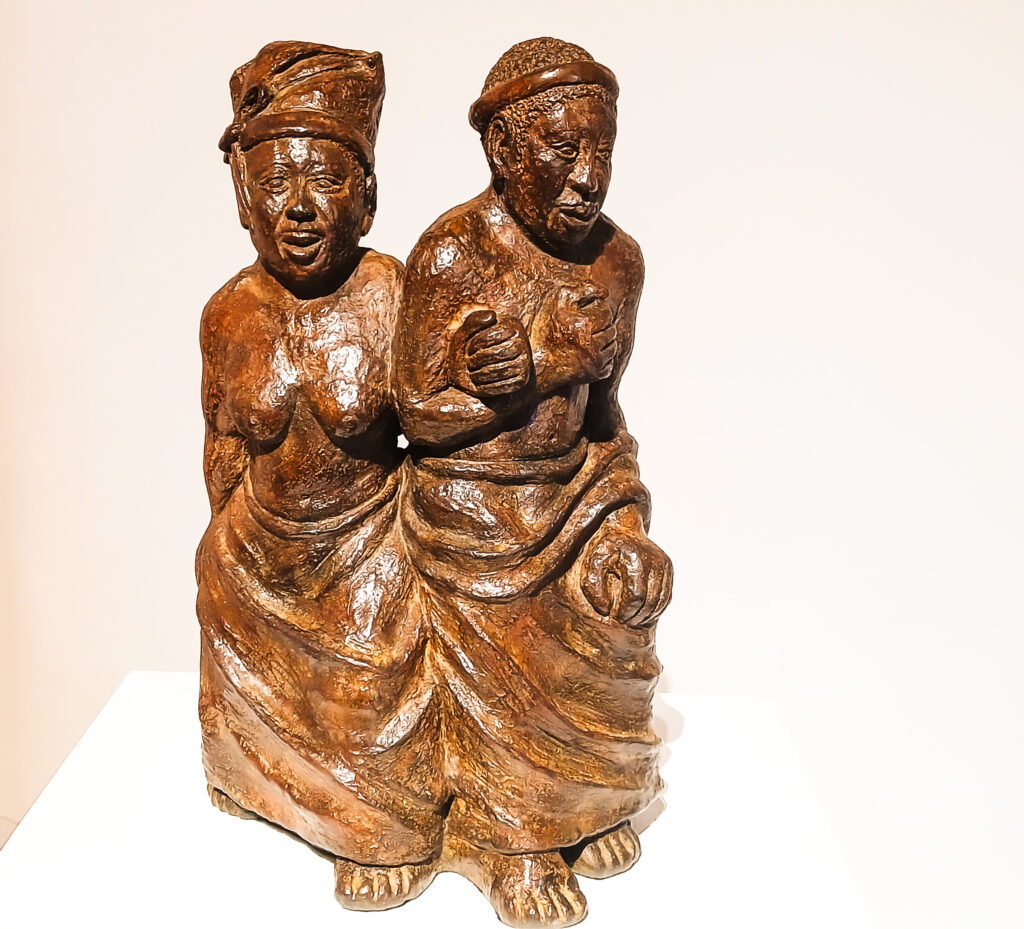
The question we must ask is uncomfortable but necessary: Who told us we do not matter, and why did we believe them?
Some will argue that this is the result of ownership. Many magazines and media houses operating in South Africa are owned by American or British corporations, and therefore prioritise what is culturally relevant to their parent markets. Hollywood events are covered with reverence; African events are treated as optional extras. But if relevance is the issue, then why are these institutions here at all? Why operate within African cultural spaces if African culture itself is not worthy of sustained attention?
Others will say the audience has spoken, that people would rather scroll TikTok than watch award shows. But this explanation mistakes disengagement for ignorance. What looks like apathy is, in fact, an alarm. It is feedback. It is the audience saying: This does not feel important, so why should I treat it as such?
Institutions do not become important because audiences validate them. Institutions become important because they behave as though they are.
The reason the Grammys, the Oscars, the Golden Globes, BET, and the Brit Awards matter is not because the public voted them into relevance. It is because these institutions built authority, narrative, spectacle, and continuity over time. They positioned themselves at the centre of culture and refused to move. Media houses, artists, and audiences eventually had no choice but to engage. African award shows, by contrast, often behave as though they are waiting for permission. Waiting for international validation. Waiting for a global celebrity to host. Waiting for foreign media to pay attention.
Internationally recognised public figures like Trevor Noah are often treated as the solution, as if their presence alone could resurrect authority. But Trevor Noah has hosted the SAMAs. He has hosted the SAFTAs. His involvement did not suddenly transform these institutions into cultural powerhouses. That alone should tell us something important: No individual can compensate for institutional weakness.
Consider how African entertainers are celebrated. Tyla is a talented young woman, but she dominates headlines not simply because of her talent, but because she is now embedded within the American entertainment ecosystem. Same as Trevor Noah, Thuso Mbedu, Burna Boy—each experienced a significant shift in how they were perceived only after leaving the continent. Once they were validated elsewhere, Africa claimed them loudly and proudly.
This pattern is telling. It suggests that success only feels real when it has been confirmed by foreign institutions. That African awards are treated as rehearsal spaces rather than destinations. That winning an award on the continent is considered incomplete unless it is echoed by BET or the Grammys. But awards are not meant to be validation. They are meant to be recognition. They exist to honour labour, discipline, sacrifice, and creative excellence. They exist to mark time, to document who we were and what mattered in a given cultural moment. When African award shows fail to do this effectively, they fail not just artists—but history itself.
The tragedy is not that audiences no longer care. The tragedy is that institutions stopped giving them a reason to. There is little theatre. Little tension. Little mythology. Little storytelling around the awards themselves. Winners are announced, trophies are handed out, and the moment evaporates. No sustained cultural conversation follows. No effort is made to turn the event into a season, a build-up, a reckoning, a celebration that demands attention. African award shows have not been ignored. They have been under-imagined. They behave as though they do not matter, and the world, efficiently, agrees.
This is not the fault of artists. It is not the fault of the audience. It is not even the fault of social media. It is the failure of institutions that forgot their responsibility: to lead culture, not follow it. If nothing changes, this will not plateau, it will end. Quietly. Without protest. Without mourning. And one day we will look back and realise that we did not lose relevance because the world rejected us. We lost it because we never insisted on our own importance.
African award shows must wake up. Not to chase global approval, but to reclaim authority at home. Culture does not ask for permission. It declares itself. African cultural institutions will continue handing out trophies without influence, without honouring and celebrating the work created with courage and fear, doubt and certainty, joy and pain, to reflect the current state of our society until they learn. Symbols without substance and moments without meaning are a waste of everyone’s time.
Comments are closed