When I look back now, I realise there is little chance I would have learned the English language well enough to shape my thoughts into sentences had I not had the opportunity to go to school. Language is not only vocabulary; it is a way of arranging the world, and language is not a system; dominance is. Without school, I might still have spoken it, but perhaps not with the precision required to write about memory, about place, about the forces that shape a life. When I read a book in Sesotho, the meaning becomes obscure, as though learning a foreign language
When President Donald Trump referred to Lesotho as “a country nobody has heard of,” many Basotho were angry. The remark travelled quickly through newspapers, radio discussions, Facebook, and conversations at home. People spoke of insult and disrespect, impulsively, so.
I understood the anger, but I was also struck by something else. The comment reinforced a strange truth about the world I grew up in: I knew more about England, about France, about Spain and the rest of Europe, and about American culture, than I did about Lesotho itself. This was not because I had chosen to know those places better; the education system had already chosen for me.
In school, I learned about the United Kingdom and its kings and queens with remarkable detail. Their genealogies were memorised; their wars explained thoroughly; their palaces described with clear details as if I was in a classroom somewhere in Manchester. Meanwhile, the histories of our own country appeared only briefly, as if they were minor footnotes to a larger narrative. I learned more about British monarchs than I did about the kings, queens and chiefs who governed the land where I was born. Perhaps this is why I feel the need, whenever I speak about my country, to begin meticulously, almost carefully, as if introducing a place that has been overlooked for too long.
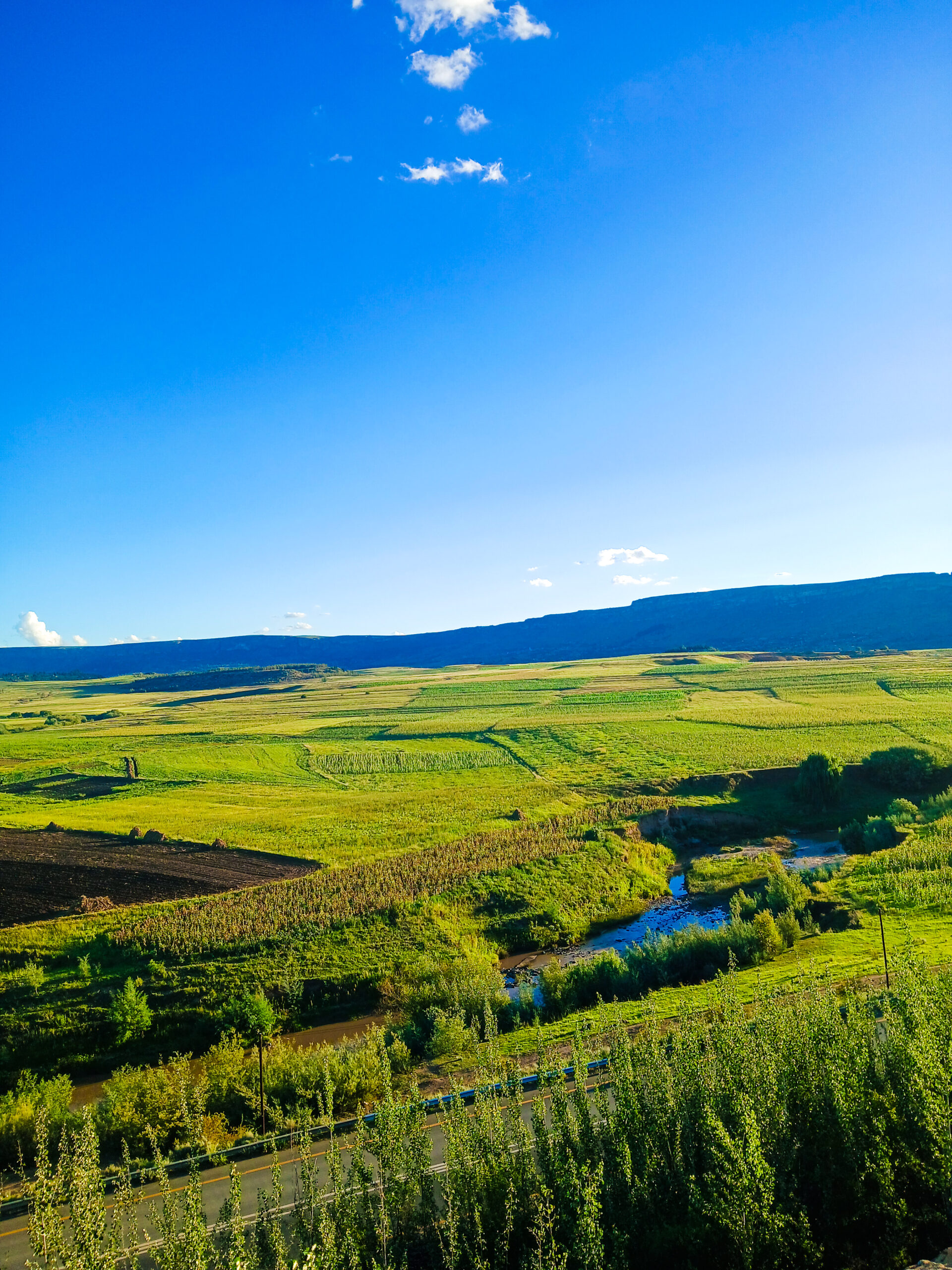
I was born on a dusty village in the foothills of Matsieng, a royal settlement where the castle rests against the mountains. The town sits on red soil so deep in colour that it stains everything it touches. Anyone foolish enough to wear white clothing quickly learns that the earth is stronger than fabric and Vanish stain remover.
The landscape smelled of wild blossoms, animals, and freshly turned fields. The sound of the place resembled wilderness, although the animals were not wild. Sheep moved across the hillsides in clusters, cattle grazed throughout the day across open land, and chickens scratched the ground near the houses.
The village had no clinic. Even now, there is still none. There were no shops nearby, no steady water supply, and no toilets. When nature demanded attention, people walked over the hill and used the land itself. At the time, this arrangement did not feel like deprivation. It was simply how things were. This was my village, not Lesotho.
Our school was eight kilometres away. The walk there followed narrow paths through fields and hills. The building itself had no toilets either. In the rainy season, mud clung to our shoes; in winter, frost stiffened the grass beneath our feet. On Fridays, when a funeral was taking place somewhere in the area, the coffin sometimes arrived in a horse-drawn hearse. Occasionally, an ageing motor vehicle would struggle across the rocky roads to reach the village, its progress slow and uncertain. The journey was never easy. The mountains did not welcome machines.
Electricity was absent in homes. At night, the darkness settled completely over the valley. From certain points along the hillside, I could see the distant lowlands where the town of Motsekuoa lay. A few lights shone there, scattered across the darkness like small constellations. I did not yet understand electricity, but I stared at those lights with fascination, wondering what kind of life existed where nights were not entirely dark.
Despite all this, I cannot say we were poor. My childhood remains the happiest period of my life. We swam bare in streams, climbed the tallest trees, ate wild garlic without care and smelled like it most of the time, and peaches all autumn. People from my village often say the same thing when they remember those years. The feeling that can never go away, whether the place is known or not. Yes, it was not New York.
Welcome to the village, here, the blue mountains hold heritage stories stretching back to King Moshoeshoe I, where strangers become family faster than modern relationships take to form, and the land itself insists you unfold your white flag and surrender to the stillness. Life is not rushed here; there is no Wall Street fever, no constant digital noise. In Lesotho, even the air feels conscious, cradling with it a sense of presence and reflection.
When it comes to Africa, Lesotho is the truest form of a man’s—or woman’s—cave. Nicknamed the Kingdom in the Sky for its high-altitude landscapes, it offers rugged mountains, winding passes, and hidden valleys that call for exploration. From the famous Sani Pass to the vast Maloti Highlands, the country invites you to embrace challenge and adventure. Hiking winding trails, horse trekking across steep slopes, skiing in winter, or even canyoning in serene dams reconnects you with a sense of adventure and rediscovery of physical courage. The high-altitude environment strengthens the body while sharpening the mind, offering a rare combination of thrill and wellness. Now I am referring to the country not my village. The country that King Moshoeshoe 1 fought and traded deals to protect.
The highlands of Lesotho serve as a natural therapy room. They are shelters from turbulence and overstimulation of modern life. Here, interminable peace and quiet is not a choice you make—it chooses you. Without electricity or reliable internet, you are forced to be with yourself, whether you like it or not. And that is where transformation begins. The mountains invite deep breaths, introspection, and the release of everyday tension. It is, perhaps, the ultimate modern stress-resort: a place where life slows down and your own heartbeat is allowed to dictate the rhythm.
Beyond its landscapes, Lesotho is a lesson in community, connection, and what it means to live fully with others. Its culture is built on botho: peace, respect, solidarity, and shared humanity. In the villages, life moves at a tick dictated not by clocks but by relationships and shared work. Chickens make their rounds, women cook together over open fires, children laugh without a trace of stress, and men work together in the fields or tend to animals roaming freely. Here, loneliness is rare, separation is temporary, and withdrawal is a borrowed concept. You become part of a network of care, whether through conversation, shared meals, or the simple act of observing life in motion.
Lesotho is also a kingdom of visual storytelling. Its rich cultural heritage is expressed through the iconic Basotho blankets, the mokorotlo hat, and the traditional attire that tells tales of history, identity, and pride. Every pattern, every colour, every ceremony jumps up meaningfully. Visitors who come curious about culture and identity will leave enriched, having glimpsed traditions that span centuries. From storytelling under starlit skies to witnessing community celebrations that combine rhythm, song, and dance, Lesotho reveals itself as a land of wisdom and wonder.
So, come. Walk the mountains. Listen to the wind. Sit with the villagers and herdboys. Ride horses along trails that seem to touch the clouds. Let the country teach you the art and pleasures of stillness, nothingness, the meaning of community, and the joy of living fully. In Lesotho, the village does not just welcome you—it reshapes you. And when you leave, you carry its stories, its calm, and its courage with you. And the people expect nothing in return.
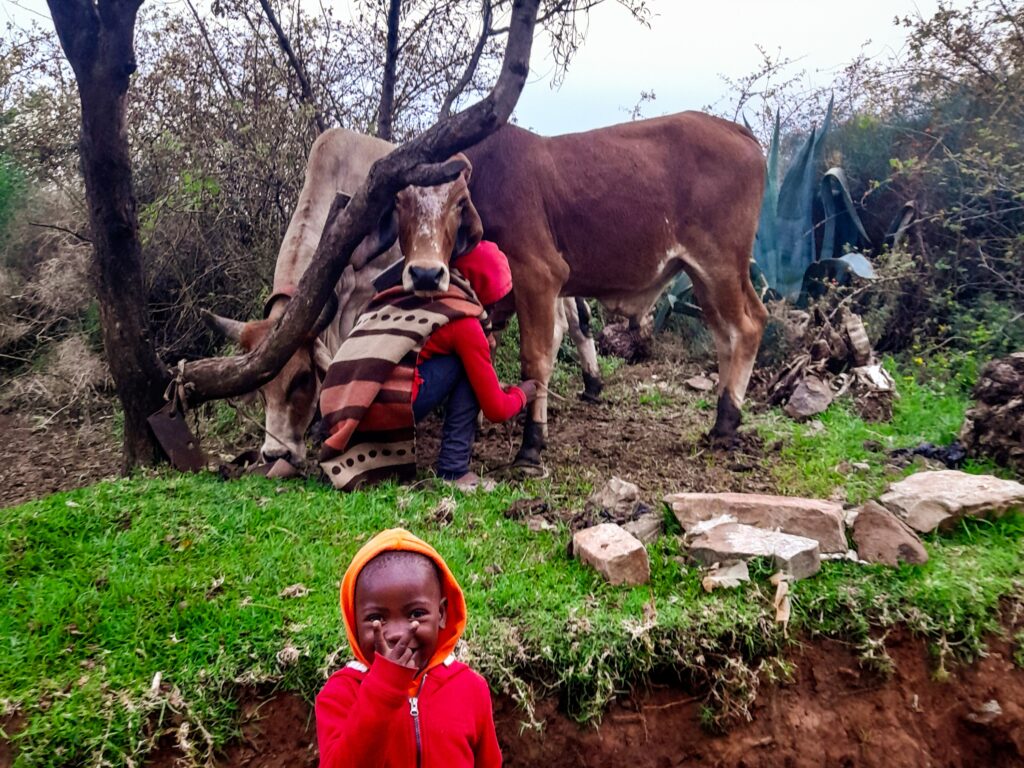
My grandmother owned animals of many kinds: cattle, sheep, chickens, cats, and dogs on that compound encircled by enormous aloe. The neighbours had similar arrangements. Livestock was the structure of everyday survival. Cattle ploughed the fields right after winter when ice began to melt from the wells, and yellow babies started to be born from flowers, horses carried people across distances, donkeys transported goods, and chickens supplied eggs. Even the dogs had responsibilities.
One of them, a brown dog named Tiger, served as a messenger. Some of our relatives lived far beyond the mountain range where my grandmother had grown up. The journey between the two households took an entire day on foot. When a message needed to be sent, a note would be tied carefully around Tiger’s neck. The dog would disappear along the path and return the following day with another note attached. In this way, correspondence commuted across the Rocky Mountains.
Children also had duties. After school, we fetched water from distant springs, watered the garden during dry seasons, gathered firewood, and washed dishes. Fortunately, the house was always full of cousins close in age. Work was divided naturally among us. Food did not arrive from a supermarket. If the fields were not ploughed and planted, hunger followed quickly. Maize, sorghum, wheat, beans, and peas grew from the land we worked ourselves. Farming was not a romantic or commercial activity. It was simply common sense. A way of life. The most important lesson I learnt in that environment had little to do with agriculture or animals. It concerned equality. My grandmother believed strongly in equality. There was no boy or a girl in my household. We were children. We all fetched wood, washed dishes, cooked and looked after animals. Other boys would laugh at us for doing household chores.
In retrospective, I realise that the very foods we ate growing up—fresh from the land, from farming, were once used as a marker of poverty. Eating them meant you were “struggling.” Yet today, those same foods are repackaged, relabelled as organic, and sold at high prices as the standard of healthy living. What was once looked down on is now desired, even aspirational.
No one in our village believed they were more important than anyone else. Wealth existed, of course, but it did not translate into visible hierarchy. People greeted each other the same way regardless of circumstance. Much later, I began reading studies describing Lesotho as one of the most unequal societies in the world. The statistics appeared convincing, yet they did not resemble the reality I remembered from childhood. Many of those studies were conducted by researchers from Europe or North America who visited the country briefly, gathered data, and returned home with conclusions already forming in their minds. Their reports often emphasised poverty, instability, and lack. Such descriptions were not entirely false, but they rarely captured the full complexity of the place. The People who were dangerous and yet weary from AIDS. The only danger I draw from sick people is that they refuse to eat and so, get even more weary.
Years after reading Finding Me by Viola Davis, I found myself wondering what it would mean to look at every American through that lens — as if each person were once a young girl shaped by severe poverty, cold nights where water froze, the presence of rats, the smell of urine, and the weight of violence and abuse. What would it do to my perception if I assumed that kind of hidden history lived inside everyone I encountered? This is exactly how Chimamanda Ngozi Adichie felt when she wrote “The Danger of a Single Story”.
Foreign photographers sometimes arrived looking for images that matched familiar narratives. They would find a boy wearing gumboots in the mud, photograph him without permission, and publish the image elsewhere as evidence of African hardship. The blue mountains, the clean water flowing through narrow valleys, the golden light travelling over the village, the dignity and peace of rural life—these rarely appeared in the photographs.
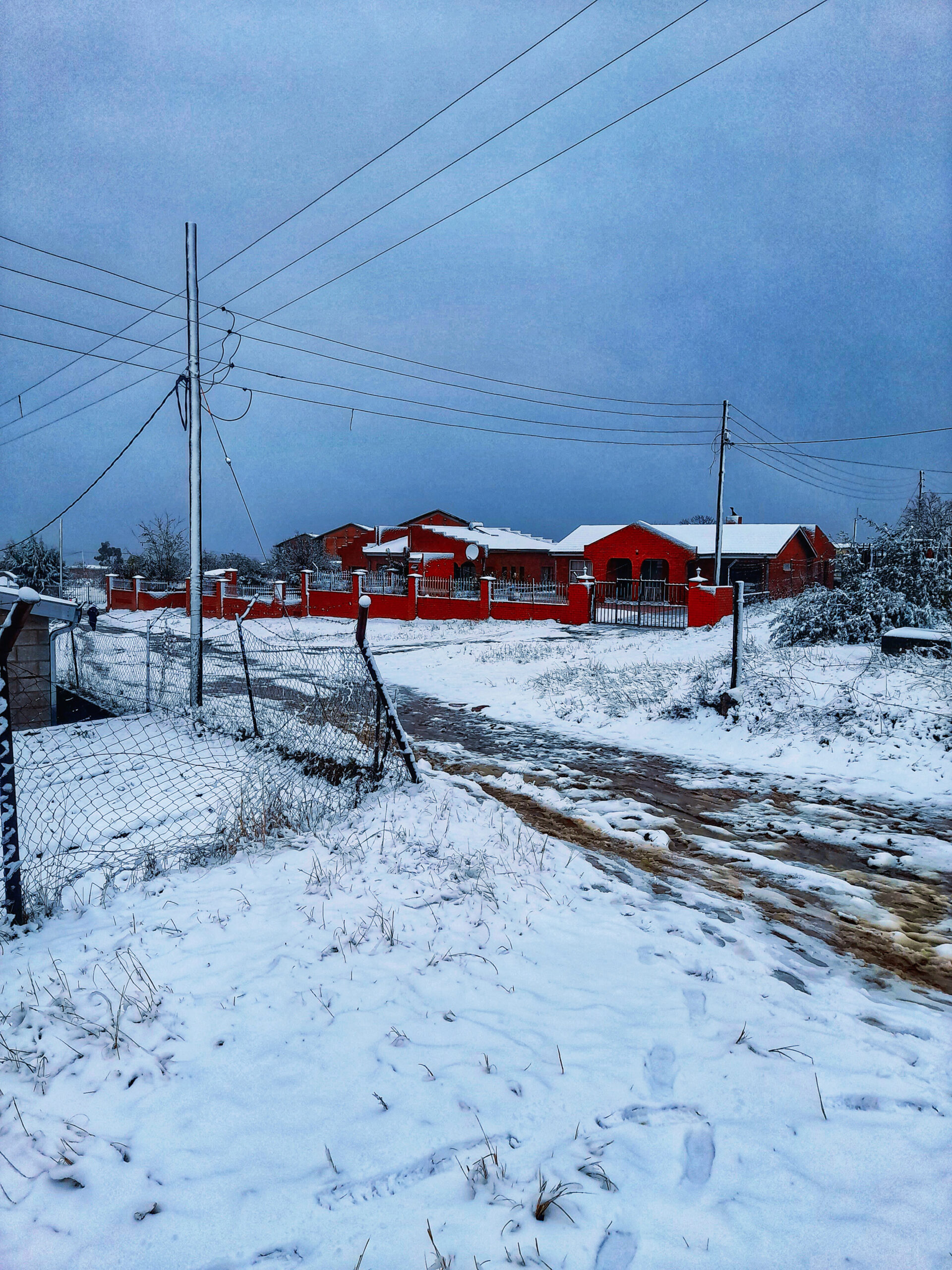
Winter transformed the entire landscape. Cold in Lesotho is not the mild chill that many imagine when they hear the word winter. It is a savage thug. Snow covered the hills regularly. Schools closed during the harshest weeks because the roads became difficult to travel on. Each morning, my grandmother practised a ritual shared by many elders. She collected a small handful of fresh snow and gently rubbed it over her eyes. Children copied the habit, myself included. Even today, I do not know the purpose behind it. Perhaps it was believed to strengthen vision, or perhaps it was simply tradition.
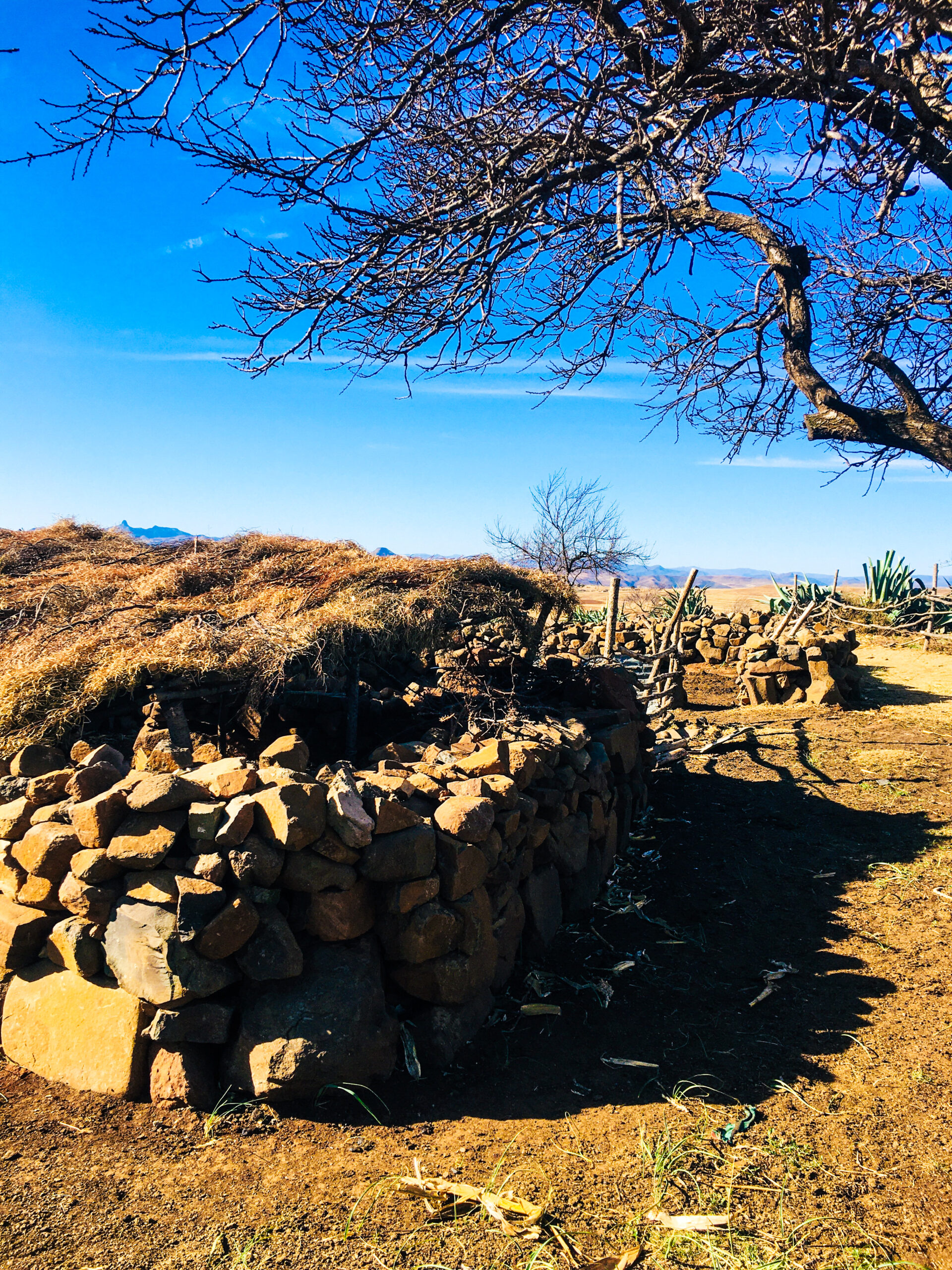
During severe cold, the youngest and most fragile animals were brought inside the house. Warmth was a shared necessity. My grandmother had two structures: a larger house and a small hut built in the traditional style. The hut belonged mostly to her. It was round, modest in size, and remarkably warm during winter nights after a fire from organic coal-like material from animal waste was made.
The school itself was located in a remote area called Thabong. Only a few households stood nearby. At first, three teachers worked there, though eventually only two remained. The classrooms were arranged in an unusual way. One group of students faced north while another faced south, both groups occupying the same room. A single teacher instructed them simultaneously, shifting attention from one direction to the other.
Books were scarce. I cannot remember holding a proper textbook during those early years. Lessons appeared mostly as notes written on the blackboard. We copied the sentences carefully into our notebooks. At the time, I had no clear ambition. I did not know what career awaited me, or whether any particular path existed at all. School was simply something children attended because it was expected. Many boys left education early to undergo initiation rites, after which they rarely returned to the classroom. I avoided that path almost by being feminine, becoming the only boy from my immediate circle who continued studying.
Writing entered my life unconsciously. Even when my English was clumsy, I filled pages with poems, songs, and short reflections. The impulse came without explanation. No writer lived near us, and no one encouraged literary ambition. I had not yet encountered novels or essays. Books themselves were largely absent from my childhood. The only book in my household was my grandmother’s bible. Yet something inside me insisted on recording thoughts.
The village did not feel restrictive. I loved it deeply and still feel a sense of belonging whenever I return. But there remained a vague curiosity about a wider world I had never seen. That curiosity intensified when I moved to the city for high school. One girl in my class often carried magazines. Our English teacher recommended reading them to improve language skills. This was my first real encounter with the magazine form.
The discovery fascinated me. Stories, photographs, and design could exist together within the same object. Yet the content disappointed me. Many of the magazines were produced in South Africa and focused largely on celebrity gossip. Articles described who had been seen at which party, who was dating whom, and who might be involved in some scandal; Khanyi Mbau did this and that. I struggled to understand why such information mattered. Still, the experience planted an idea in my mind. If magazines could exist in this format, perhaps they could also contain something more thoughtful and become substantial. I began imagining covers designed with artistic care, objects beautiful enough to hang on a wall and stories that could be reflected in the life of a young child who grew up without knowing what the words—celebrity, pop culture and Hollywood mean.
Years later, I would encounter foreign publications such as The New Yorker. Their covers confirmed what I had suspected: magazines could indeed be works of art. By then, I had already completed university. Only did I recognise that writing might become central to my life. Music had once seemed more appealing. I played the guitar and composed songs, imagining perhaps that I might become a performer. Eventually, I understood that performance itself did not interest me. My satisfaction came from shaping the lyrics, arranging ideas into rhythm and meaning. Writing had always been the true activity.
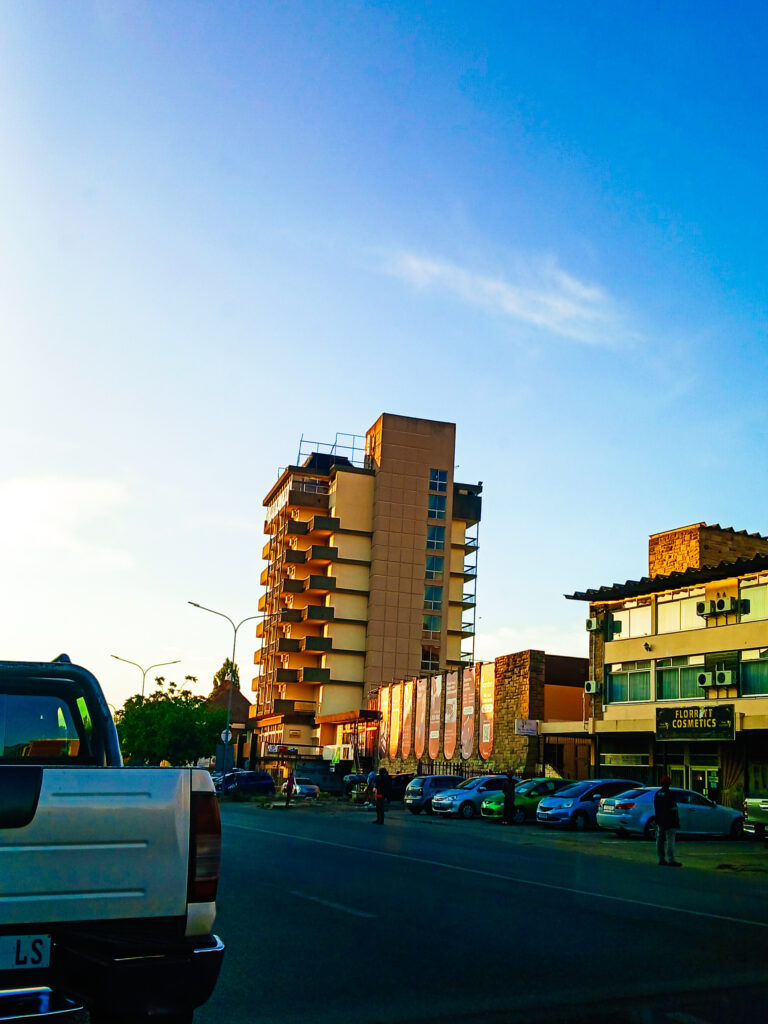
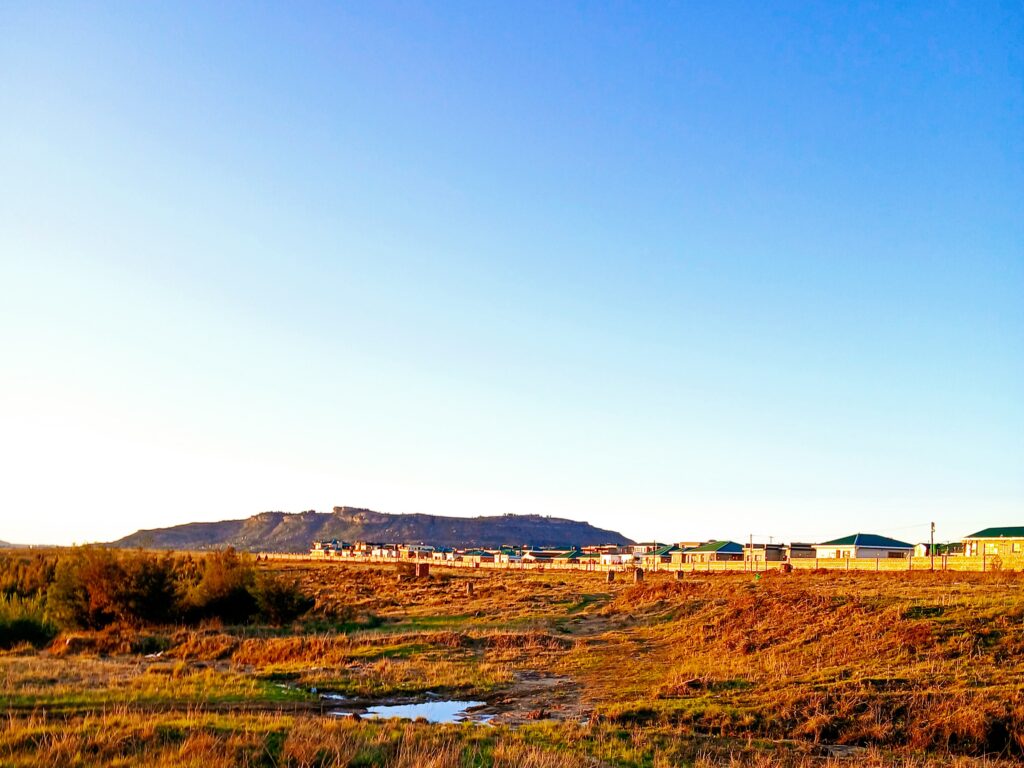
The phrase “a country nobody has heard of” reveals more about the global system of storytelling than it does about Lesotho. Places become known not simply because they exist but because they are described, photographed, written about, and archived. When those narratives are controlled elsewhere, entire countries can disappear from cultural memory. For a long time, Africa has been described primarily by outsiders, doing so boldly. If the world knows little about us, it is partly because we allowed others to define our voices in publishing, journalism, and cultural production. We surrendered the authority to tell our own stories.
This recognition explains why I write today. Through writing, I continue learning about Lesotho and about the wider continent—about South Africa, Ghana, Congo, Mali, Côte d’Ivoire, Senegal, and countless other places whose histories deserve attention.
In many prominent bookshops and libraries, the shelves are filled almost entirely with foreign authors. Even online archives, which I thought would be easier for young people to access. Recommended reading lists often follow the same pattern. One begins to wonder: where are the works of writers such as Thomas Mofolo, Chimamanda Ngozi Adichie, Zakes Mda, or Chinua Achebe, the author of Things Fall Apart? This absence raises difficult questions. Is this the empowerment our institutions claim to offer? Do these spaces privilege foreign voices because they are funded by foreign organisations? Or is it something deeper, the assumption that our voices do not matter? But how can a voice matter if it is never given space to be heard?
One great thing I have always admired about the editor, Anna Wintour, is her willingness to recognise talent long before the rest of the world notices it. Throughout her career, she has often taken largely unknown designers, artists, and writers and given them a platform from which to grow. Of course, talent must still prove itself—there is no real merit without the discipline and work that sustain it. Yet the act of offering that first stage matters. Many of the people who once appeared as emerging names under her watch now shape the global fashion industry.
I sometimes wonder what would happen if cultural leaders and salons across Africa adopted the same approach. Too often, recognition comes only after someone has already been validated elsewhere. In many places on the continent, a writer or artist becomes visible the moment international media feature them. Only then do local institutions begin to take notice. By that time, the discovery is no longer ours.
The act of writing becomes a form of return, an attempt to recover voices that should never have been forgotten. And so, I write not because I possess complete knowledge, nor because I wish to be called a writer by the world around me, or to see my name placed beside that of Joan Didion. I write because I am still trying to understand the places I walked across every day, and the people I was told were my rulers.
For much of my life, I have known more about distant territories I once saw only in an atlas than about the land beneath my own feet. I memorised the names of cities I struggled to pronounce and learnt the histories of people I will never meet. Those places were presented to me as important, while the world I came from was rarely explained with the same seriousness. It was a privilege to read Jane Austen, for I love her so, but I am still trying to understand how she made it into my hands when I have not yet found Thomas Mofolo. A man who grew up and lived in a territory I grew up and lived in.
Perhaps that is why writing feels necessary. It is a way of returning to what was overlooked, not living in the past but, asking questions that should have been asked much earlier, and of paying attention to the stories that were always there but rarely written down, or distributed.
Comments are closed