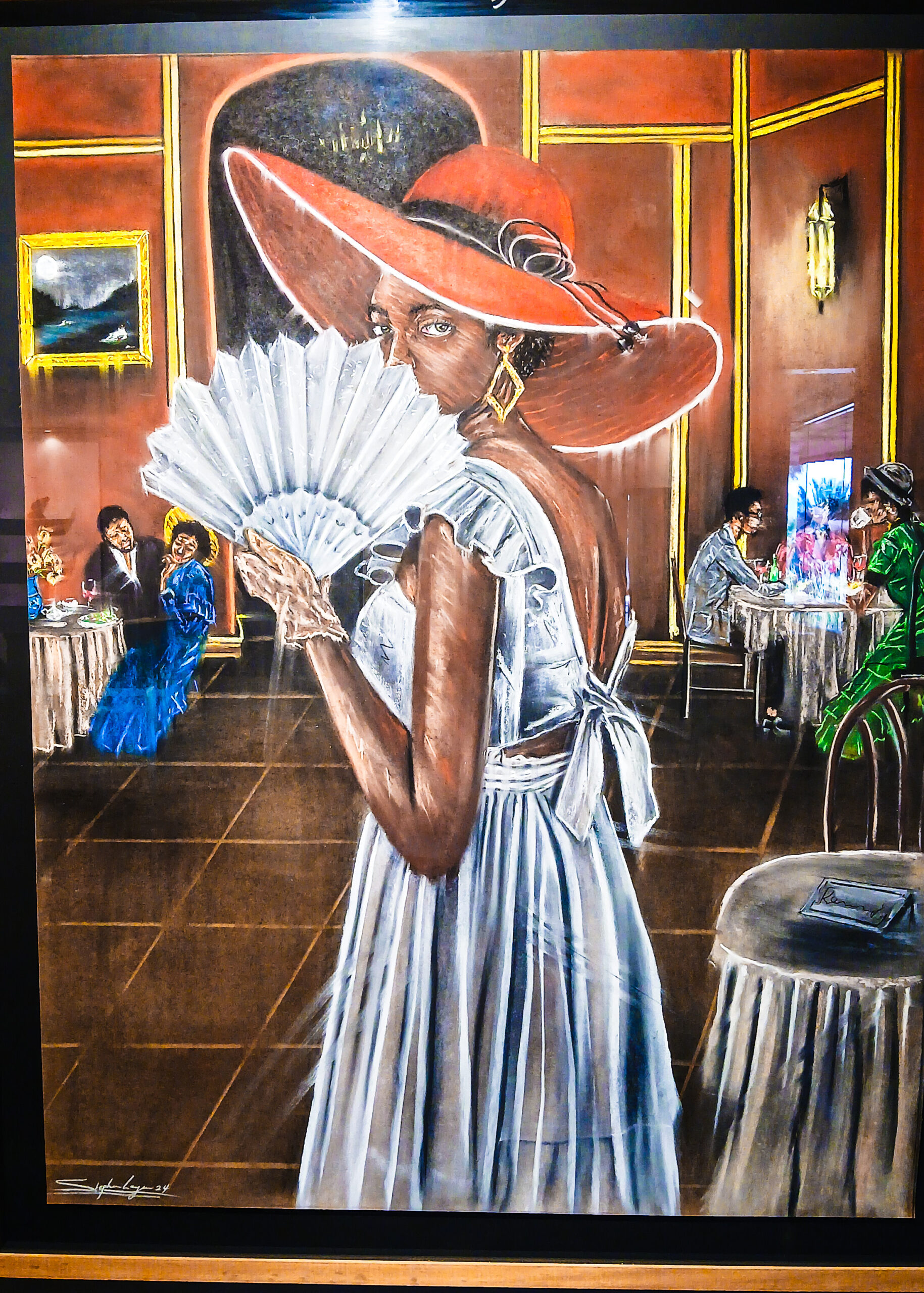
Stanley 44
I stepped out of the white BMW at 44 Stanley at eight in the morning. The light was baby-soft, the kind that makes even concrete feel gentle. The courtyard was confidential except for the sound of a café door opening somewhere behind me and the faint clatter of cups being arranged for the first customers of the day. A young man came out of the AFDA gate in a Balenciaga baggy two-piece, taking a direction to student accommodation, opposite Stanley.
Places like Stanley have a particular atmosphere. They attract people who create things—designers, photographers, writers, artists. People who carry notebooks, sketchbooks, cameras, and bags filled with tools whose purposes are not always immediately clear. They are, in the best sense, vaguely unusual. Not strange in a disturbing way, but in the way artists often are. People who see the world a little differently and insist on living inside that difference. I sometimes think that artists are simply people who refuse or unable to behave normally.
Among them, the usual categories that dominate ordinary conversation—race, gender, status—seem less urgent. Or perhaps they appear less interesting. When one spends enough time thinking about colour, composition, sound, or form, the divisions that structure everyday society begin to feel like interruptions rather than foundations.
An artist who sees race before art, or gender before imagination, may still work in the industry of art, but the spirit of the thing is different. Art begins somewhere else, somewhere less concerned with categories and more concerned with perception.

Stanley is full of this refusal to behave conventionally. You see it in the way people dress. Cardigans appear frequently, even in weather that might not strictly require them. Vintage jerseys hang loosely from shoulders. Shoes are worn with a certain indifference to trends. Many carry large bags. Bags that sag from the weight of what is inside.
Walking through Stanley, one could almost forget that this is Johannesburg. The architecture—psychedelic walls, small courtyards, intimate cafés—creates an atmosphere that feels strangely distant from the rest of the city. It reminds me of places I have never actually visited but feel I know from films and books: somewhere along the southern European Mediterranean coast, perhaps a neighbourhood in Lisbon or Barcelona where artists gather in small cafés and argue about ideas while sunlight falls gently across stone streets.
Rosebank
When I arrived in Rosebank, Johannesburg, Too Sweet by Hozier was playing somewhere nearby. Perhaps from a passing car or a café speaker, the sound drifting casually through the morning air. It felt like the sort of soundtrack cities sometimes provide without asking whether you wanted one.
Rosebank has a particular rhythm. It is not loud like other parts of Johannesburg. Instead, it ingenuously carries itself with a kind of confidence, as if the neighbourhood already knows exactly what it is. And there is a place named Keyes Art Mile, about a kilometer walk beneath flattering flats and trees from the city centre. Walking through Keyes Art Mile, the comparison that came to mind was Malibu—though Malibu without the ocean. The buildings are polished, the streets moulded, the spaces designed carefully enough that one begins to feel almost cautious while walking through them. There is a subtle suggestion in the air that your shoes should perhaps not touch the ground too heavily.
Everything appears smooth. Glass galleries reflect sunlight across clean pavements. Restaurants open slowly for the day. Sculptures stand in courtyards as if they have been placed there to remind visitors that this is not merely a commercial district but a cultural one.
If Stanley attracts the people who make art, Keyes Mile attracts the people who organise it. This is where curators meet collectors over coffee. Art directors step in and out of studios carrying folders and laptops. Gallery assistants arrange exhibitions with the extreme efficiency of people who understand that presentation is almost as important as creation. Art here exists not only as expression but as infrastructure.
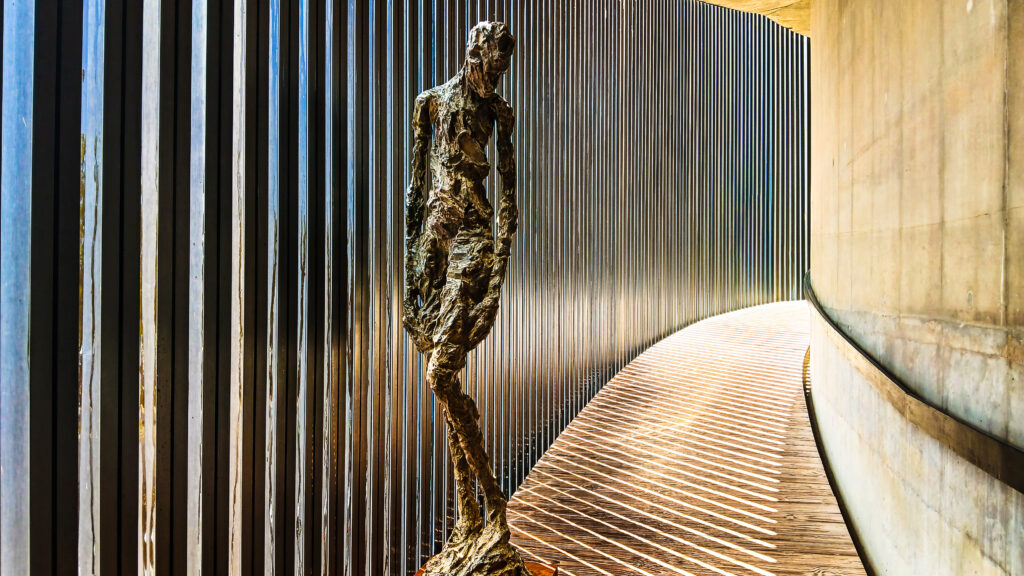
There are agencies that represent artists, galleries that sell their work, consultants who advise collectors, and institutions that transform creativity into a cultural economy. The conversations are different from those in studios. Instead of discussing inspiration or colour palettes, people speak about exhibitions, placements, residencies, and markets. It is art, but art with a business card.
And yet there is something strangely necessary about places like Keyes Mile. Cities need them. Without the curators, the directors, the organisers, art would remain scattered across private studios and forgotten sketchbooks. Someone must build the bridges between creation and the public world.
Of course, Johannesburg itself has always been a city of illusions and reinventions. A mining town that turned itself into a financial capital. A place built on gold and labour that continues to reinvent its identity through culture and creativity.
Standing there in the morning light, watching the first artists arrive with their oversized bags ready to create another piece, it occurred to me that places like this serve an important function in cities. They give space to a peculiar kind of thinking. The kind that allows people to see beyond what already exists.
And perhaps that is the most accurate way to understand Johannesburg through the eyes of art: not as a finished picture, but as a city constantly being sketched, revised, and imagined by the people who walk through it with tools in their bags and ideas in their heads.
*Headline Image: Circa, Gallery, at Keyes Art Mile, Rosebank
Comments are closed