I do not like to bother people with questions; I prefer to sit down and observe through my glasses without being confronted. Over the weekend, in Parkhurst, located in the deeper end of Rosebank, I watched a familiar practice unfold. My sister was celebrating her birthday at a fashionable Mediterranean restaurant — the rich linen, gleaming lighting, and plates designed as though destined for a gallery wall. It is one of the best-looking establishments in Johannesburg, with a calming atmosphere and friendly waiters. On the tables full of chatting people, when the food arrived, no one reached for a fork. People reached for their phones and began searching for the perfect angles, adjusting their glasses and plates to ensure everything was perfect for their social persona. The meal began only once the camera roll was sufficiently satisfied.
I thought, this is interesting, and instantly asked myself: Are we eating for ourselves, or for validation?
In the digital age, food has shifted from sustenance to spectacle. A plate is no longer simply a source of nourishment; it is a visual asset, a social signal and a proof of taste, both culinary and cultural. Dining out has become a part of a form of visibility used to grow social media profiles and branding. That is fine, it is part of digital content creation entrepreneurship. The right restaurant in the right neighbourhood communicates discernment. The right dish signals worldliness. The right wine suggests cultivated pleasure. But are we conscious of what we are tasting?
There is nothing inherently wrong with beauty. Food has always been served to mirage aesthetic value; presentation matters, but there has to be something behind the visual beauty, and that’s what keeps people coming back. A thoughtfully plated dish can feel like art — a composition of colour and texture. My sister ordered pasta that evening. It arrived sculpted and glossy, each element placed with precision. It looked exquisite. But after the first bite, she paused. “It’s not as good as it looks,” she said. And I thought she was joking; unfortunately, that was not the case.
Have restaurants begun plating for the camera more than for the palate? Is the food presentation the primary goal, and taste secondary? The economics of attention reward what photographs well. Melted cheese stretches beautifully on screen with Lightroom edits. Microgreens elevate a plate’s visual complexity. But none of that guarantees depth of flavour. Taste cannot be edited. It’s like the heart of a human being.
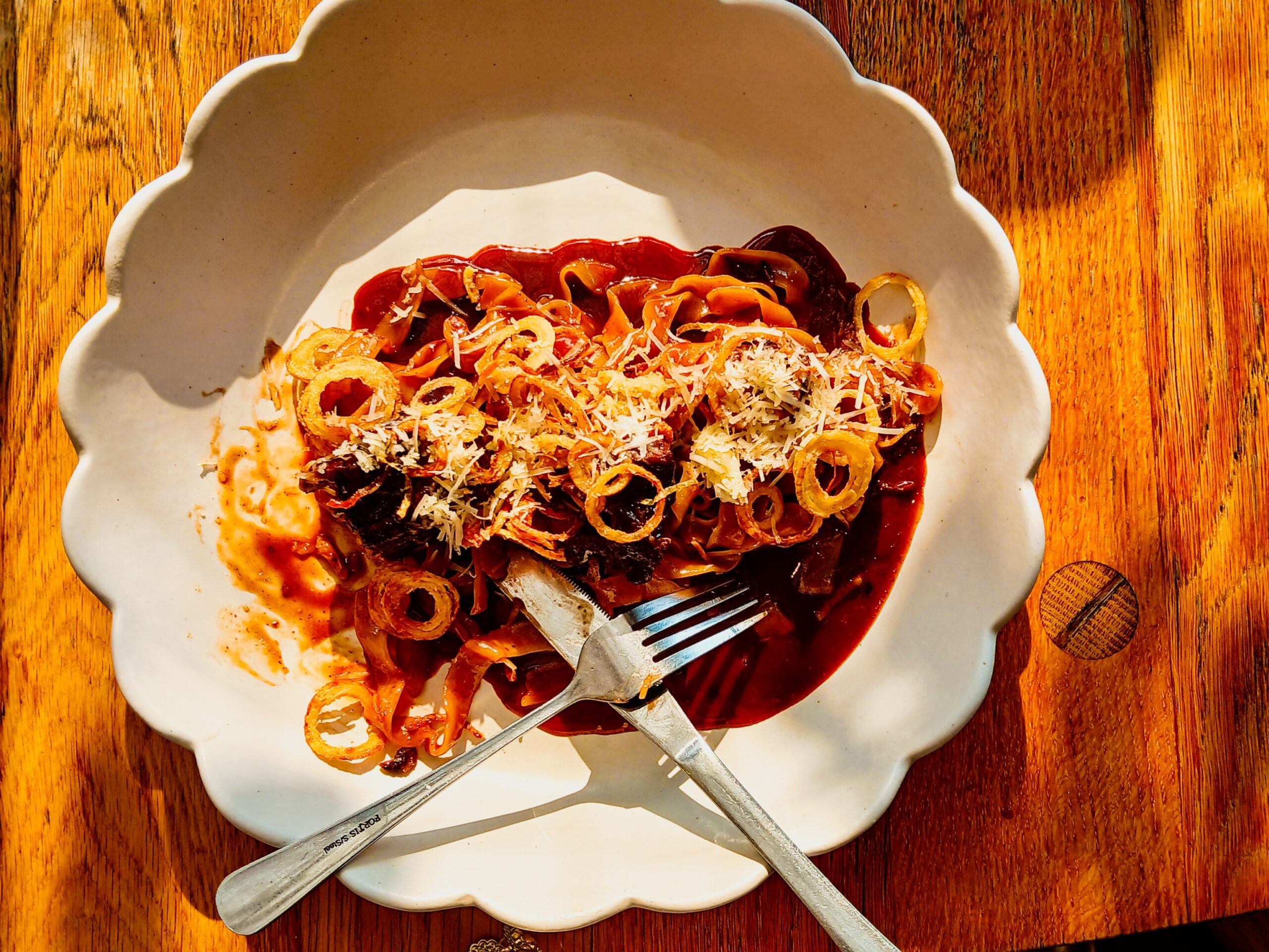
I have restaurants I return to repeatedly — that is my guilty pleasure. Not because they trend online, but because the food is consistently delicious. There is one place I visit whenever I crave vegetarian pasta. The ingredients are fresh. There is no excess oil disguising flavour, no heaviness masquerading as indulgence. People who frequent that establishment say the same thing: the food is healthy, yes, but more importantly, it tastes good. The dining room is always full, and that is because it is satisfying.
This is something vegan food companies have understood particularly well. Health alone does not sustain loyalty. Food must nourish the body and delight the tongue. No one commits to tasteless virtue for long. Pleasure is not the enemy of wellness; it is part of it.
That night in Parkhurst, the wine was exceptional. South Africa remains confident in its winemaking tradition. You could taste the craft — fresh as the winelands of the Western Cape. It reminded me that when producers care immaculately about quality, it shows. You feel it in the finish. The food, however, felt chaotic, curated for the eye more than the appetite. Like glossy magazine dreams.
Perhaps the real issue is not that food has become content, but that we have allowed the documentation of experience to replace the experience itself. We photograph before we taste. We post before we reflect. The meal becomes a moment to broadcast rather than inhabit.
Are people eating for validation? Sometimes, yes. But more subtly, we are consuming identity. The restaurant becomes a backdrop for self-presentation. “I was here.” “I can afford this.” “I belong.” Yet nourishment is behind the curtain. It happens internally without requesting applause.
Good food must do three things: it must sustain, it must satisfy, and it must honour the craft behind it. Aesthetic is a gift, but flavour is a responsibility. That’s what Chef Ndlovu from Edge Africa understand.


Comments are closed